Categories

“Art comes out of desire in the face of indifference”: An Interview with lê thi diem thúy

By Maryann Henck, Maria Moss, and Sab­ri­na Völz

lê thi diem thúy at Leuphana University in May 2015
lê thi diem thúy at Leuphana Uni­ver­si­ty in May 2015

When lê thi diem thúy (pro­nounced “twee”) vis­it­ed Leuphana Uni­ver­si­ty this past May, not only did our stu­dents have the oppor­tu­ni­ty to attend her read­ing and talk, the three of us also had the plea­sure of inter­view­ing her. lê thi diem thúy is the author of the high­ly acclaimed nov­el, The Gang­ster We Are All Look­ing For, but pri­mar­i­ly sees her­self as a poet. If you’re look­ing for some cre­ative inspi­ra­tion to start off the new year, take a peek at the interview.

ASB: When did you first decide to become a writer?

thúy: It was nev­er decid­ed that I would become a writer. What I want­ed, ever since I was a child and first learned to read, was to be with words. Read­ing was both a chal­lenge and a con­so­la­tion, sto­ries were worlds I could enter, and from a young age I under­stood that words some­how sum­moned worlds.  At first I only want­ed to be trans­port­ed as a read­er. Per­haps I became a writer when I real­ized that I, too, car­ried worlds with­in myself, and words were the key to unlock those worlds and release peo­ple, places, moments, ques­tions, desires.  Read more »

What German Students Taught an American Author

By Tom Leveen

If it were up to me, Amer­i­can high school and col­lege stu­dents would spend a manda­to­ry year liv­ing abroad before a degree of any kind is con­ferred. This trip would be ful­ly fund­ed by the Unit­ed States gov­ern­ment. It’s dif­fi­cult to quan­ti­fy how expo­sure to a dif­fer­ent cul­ture can change one’s per­spec­tive for the better.

As a sopho­more (tenth grade), I had the priv­i­lege of spend­ing a week in Lon­don with sev­er­al oth­er stu­dents, dur­ing which we hit all the usu­al tourist spots and attend­ed sev­er­al musi­cals. It was a good trip, but hon­est­ly, I was too young to ful­ly appre­ci­ate the new sur­round­ings and the his­to­ry of a city so much old­er than any in the States.

The next time I trav­eled over­seas, I was 41 and brought my wife of nine years. I had become a pub­lished author with com­pa­nies like Ran­dom House, and my Ger­man-trans­la­tion pub­lish­er, Hanser, flew us to Ger­many for a ten-day book tour in coop­er­a­tion with the embassy.

There are many things to recount – amaz­ing Ger­man hos­pi­tal­i­ty, breath­tak­ing­ly intel­li­gent stu­dents, gor­geous scenery… from the moment we first arrived in Göt­tin­gen, we were entranced.

Then came our trip to the Dachau memorial.

Read more »

Reversing the Gaze
– Injun Joe Meets Esperanza

By Sassetta Harford

I wrote this piece for a sem­i­nar called “Revers­ing the Gaze.” The idea was to write about dif­fer­ence and the chal­leng­ing of stereo­types, so I tried to incor­po­rate as many gazes as possible.

The char­ac­ters were cho­sen for their ambi­gu­i­ty. After our dis­cus­sions in class, Injun Joe seemed to be the per­fect anti-hero instead of a com­mon vil­lain with a racial slur. Esper­an­za – with her iden­ti­ty strug­gle con­cern­ing eth­nic issues, gen­der iden­ti­ty, social sta­tus, and her hints at the decon­struc­tion of stereo­typ­i­cal gen­der roles – was a char­ac­ter that I felt I could iden­ti­fy with.

Injun Joe
Ted Cas­sidy as Injun Joe in The New Adven­tures of Huck­le­ber­ry Finn (1969) | Pho­to cred­it: NBC tele­vi­sion (Pub­lic domain), via Wiki­me­dia Commons

The notion of being nei­ther here nor there, being in-between cul­tur­al­ly, is some­thing that I can relate to while rec­og­niz­ing what a priv­i­leged posi­tion this can be when one is not sub­ject­ed to dis­crim­i­na­tion. The numer­ous bor­ders the char­ac­ters have had to face are rem­i­nis­cent of fences around reser­va­tions or the bru­tal­i­ty of the Mex­i­can-Amer­i­can bor­der. More specif­i­cal­ly, it is about what hap­pens years, maybe decades, lat­er when the ances­tors have long crossed the bor­der, but the indi­vid­ual is still con­front­ed with divid­ing lines and is forced to make deci­sions as well as cre­ate his/her own iden­ti­ty, which is always cul­tur­al and political.


Amer­i­cana

By Sas­set­ta Harford

I guess it’s kind of fun­ny, what with polit­i­cal cor­rect­ness and all. They just can’t seem to get it right when it comes to peo­ple like me. Half-breed, that’s what they used to call us, like a dirty mon­grel piss­ing on their white pick­et fence. Pre­cise­ly that makes me an Amer­i­can, more Amer­i­can even than George Bush or Wash­ing­ton him­self, and cer­tain­ly more Amer­i­can than their pre­cious Jesus.

Read more »

“Music is the axe for the
frozen sea within us”

By Benedikt Fleischer

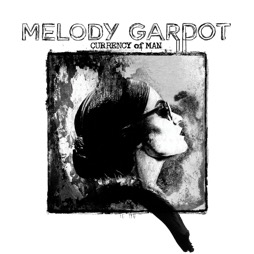
Melody_GardotThe Amer­i­can jazz queen, Melody Gar­dot, is still eager to explore the world around her, but her focus has changed and been nar­rowed down to her own coun­try. Her fourth album, Cur­ren­cy of Man, fea­tures social com­men­tary on Amer­i­can soci­ety – a com­men­tary wrapped in a bluesy ana­log sound with warm soul and gospel influ­ences and lots of horns, a com­men­tary that has nev­er seemed to have more cur­ren­cy than now.

Read more »

We’ve Got Steampunk

By Lynette Kirschner

pho­to cred­it: Nathan Rupert

You’ve nev­er heard of it? Seri­ous­ly? This sub­cul­ture – which has every­thing from music, fash­ion, and lit­er­a­ture to LARPs (live action role plays), con­ven­tions and even schol­ars – is more pop­u­lar in the U.S. than in Ger­many. So what is it? If you look at steam­punk schol­ar Mike Perschon’s blog, you’ll see that it has aspects of retro-futur­ism, tech­no-fan­ta­sy, and neo-Vic­to­ri­an­ism, a move­ment not strict­ly lim­it­ed to a spe­cif­ic time frame. The main source of pow­er is steam, not gas or elec­tric­i­ty. Steam­punk is often seen as re-imag­in­ing the past not only to under­stand the present but also the sins of the past.

Is this sub­cul­ture inclu­sive or exclu­sive? When you con­sid­er that Vic­to­ri­an Eng­land wasn’t exact­ly a stel­lar time for peo­ple of col­or, gen­der or body auton­o­my, it makes you won­der why it is pop­u­lar. This is where the re-imag­in­ing comes in as some steam­punks sim­ply recre­ate this era. Per­son­al­ly, I have prob­lems with this type of rep­re­sen­ta­tion as I know my his­to­ry; how­ev­er, I also real­ize their intent isn’t to glo­ri­fy the wrongs. In fact, oth­er steam­punks re-imag­ine the past to cre­ate a nar­ra­tive for peo­ple who had no voice back then. This is what I love about steampunk.

Read more »