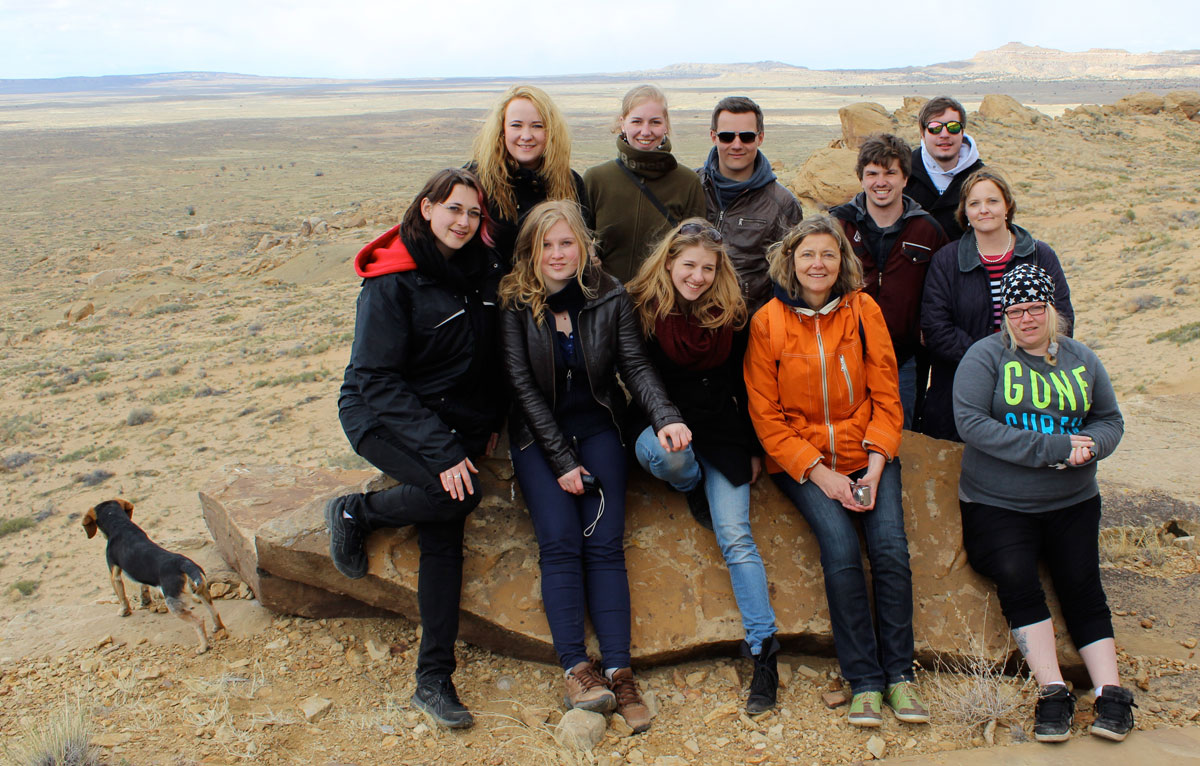
The two-semester project, “Ethnic Studies and Eco-Criticism Meet Intercultural Exchange: A Study Trip to Las Vegas,” brought together students and faculty from Leuphana University in Lüneburg and the University of Nevada, Las Vegas (UNLV) as well as Janice Harrington, the “Mother of Gospel Workshops in Germany.” Apart from planning all aspects of the international study trip, Leuphana students learned about financing, sponsoring, and organizing a concert with Janice Harrington and Friends dedicated to African American music in Germany. The proceeds from the concert were used to defray excursion costs. Additionally, participants prepared their own research projects in which they learned about a wide range of topics: African American music and culture; interdisciplinary issues related to Las Vegas (Hoover Dam, Las Vegas’ sustainability concept, nuclear testing); culture and lifestyle of the Hopi and Navajo nations; and cultural heritage sites (Grand Canyon, Canyon de Chelley, and Monument Valley).
Categories
A Study Trip to Las Vegas?
A Night in Berlin with Michael Lederer
The U.S. Embassy Literature Series at the English Theatre Berlin in cooperation with PalmArtPress presented Michael Lederer on February 11, 2014. In the following video, Lederer reads from his new novel Cadaqués and takes part in a discussion with moderator Dr. Herbert Grieshop. The story is set in a quaint fishing village along the Spanish/French border and depicts the lives of a group of hard-drinking writers and artists.
Michael Lederer is an American writer who lives in Berlin, Dubrovnik, and Cadaqués. His first novel, Cadaqués, was published in February 2014. He has just written his second novel, Don Quixote Saving America.
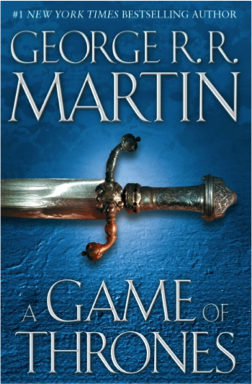
A Game of Thrones: Heroes Wanted
We all know him—the tall, strong, brave man. The hero. The prince. The knight in shining armor whose decisions are infallible, his visions wide-ranging, and his character traits impeccable. He is the good guy who faces the villain. George R. R. Martin introduces his readers to a new kind of hero: none of the above—at least not in the traditional sense.
A Game of Thrones (the first book of the series A Song of Ice and Fire) is about love and hate, loyalty and treason as well as high-born lords and servants. It is about a deeply troubled medieval kingdom on the edge of winter. It is also about good and evil, but the line between those two fades with every word that enters the reader’s mind and gets lost somewhere on the 807 pages. There are more names appearing in the book than anyone could possibly remember; yet none of the characters can be classified as entirely good or evil. No one is infallible. Not even—or especially not—the characters that we would most likely call heroes.
Number 13: Unbraiding the Short Story
Regardless of the field, conferences come in all shapes and sizes. Some are forgotten quickly while others become engraved in one’s memory. The latter experiences are sometimes few and far between. The biennial International Short Story Conference in English – which brings together scholars, writers, and those in the publishing industry – might just fit the bill. This year’s conference was lucky number 13 and took place in Vienna from July 16–19. It was a place to discover young, talented voices, interact with established authors, and hear scholarly papers from colleagues all over the globe. I especially appreciated the anthology, Unbrading the short story, which allowed conference participants to familiarize themselves with 69 stories by writers-in-residence (ISBN: 13: 978–1497593992). This helped immensly with the selection of panels. Apart from listening to panel discussions, doing interviews, and participating in creative writing workshops with authors, for me, it was again a place to renew my first love: the short story.
Shooting for the Stars: Creativity and Competition in the English Classroom
It has been my experience that competition, apart from the kind found in television quiz shows, is often frowned upon in Germany. For Americans, however, competition may bring back fond memories of grade school spelling bees, high school football games, and employee-of-the-week awards. From an American perspective, competition helps to motivate people to be creative and do their very best work. Even if you don’t win, doing your best is a great achievement. Yes, for many Americans, competition and creativity – sometimes referred to as ingenuity – go hand-in-hand. But what do they have to do with me, you ask? If you are a teacher or university faculty member, they have everything to do with you. Read more
Creative Writing Contest for Non-Native Speakers
When I entered a creative writing contest for non-native speakers of English, the 2014 Daniil Pashkoff Prize, I never imagined I would win 3rd prize in the category for “Prose — 20 and Over.” Participating in this contest has been an intriguing and challenging experience that has helped me to grow on a literary as well as on a personal level – an experience that I would recommend to any literary enthusiast out there. The next prize will be awarded in two years: A new contest, a new opportunity to become part of an inspiring and creative literary circle, and a new experience of creative story writing that I wouldn’t want to miss.
My short story “Coloured Desperation” tells of the struggles that a young mother experiences in the troubled relationship with her autistic son. Torn between her desire for a peaceful state of mind, her yearning for a better life, and her responsibilities as a caring mother, Libby is confronted with everyday challenges and a situation that might turn out to be the turning point in her life.
Interested? Click here to read the full story!